Family of Six Dolphins now only Two.
A new study has taken a deep dive into the family tree of dolphins. DNA sequencing of the six species of dolphin in theLagenorhynchus family was published in Molecular Phylogenetics and Evolution. The study used genetic research and previously recorded genetic information to paint a clearer picture of how this family of dolphins fit together.
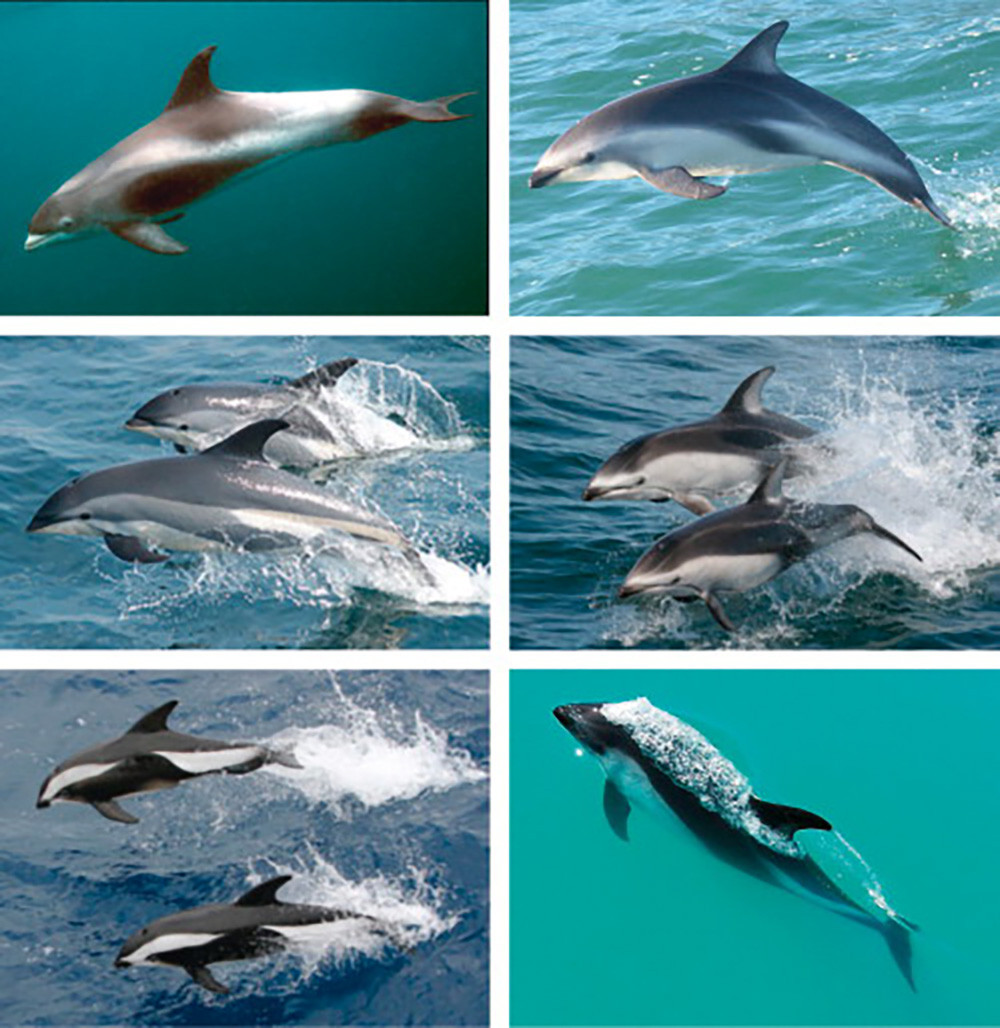
New Zealand’s endemic Hector’s Dolphin, along with various other species, were genetically compared to the six Lagenorhynchus dolphins. This data allowed researchers to re-write the evolutionary tree of four of the six dolphins in this family genus. Leaving only two dolphin species remaining in this once family of six. The White‑beaked dolphin and the Atlantic White‑sided Dolphin remain, Hourglass and Peale’s dolphins share a new family genus and Dusky and the Pacific White-Sided Dolphin join a new family also.
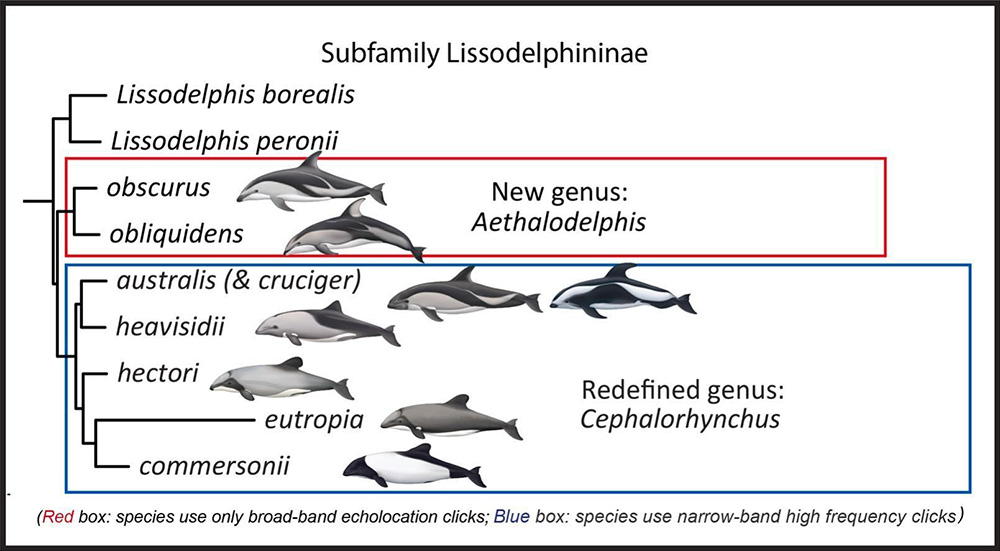
Redefining a genus is often a slow process and not always universally accepted. This study shows evidence and is a first step but not a formal decision is made.
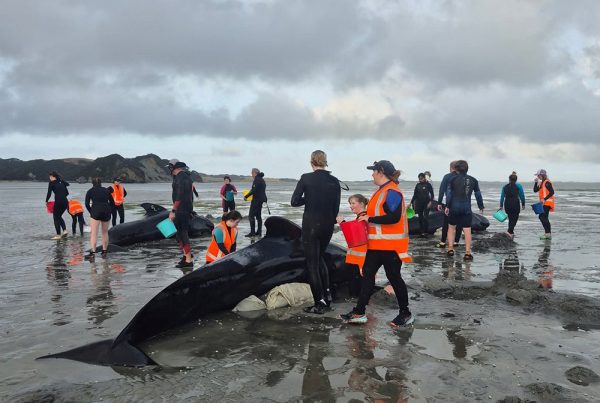
Three of these species can be found in New Zealand waters and can potentially be found stranded. This study highlights the power of genome sequencing to reveal new information about elusive marine mammals. By examining DNA collected from stranded individuals, museum specimens and bycatch, researchers can uncover clues about population structure, evolutionary history, and potential adaptations to life in extreme environments.
The world of whales and dolphins extends far beyond the familiar giants like orca or humpback whales. Hidden among Antarctic swells are species that remain largely unknown yet every bit as vital to understanding ocean biodiversity.